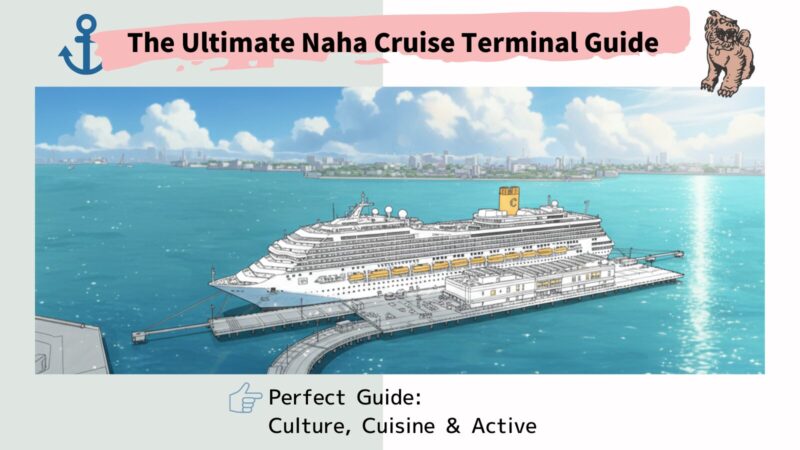
When your cruise ship pulls into a Japanese port, do any of these concerns sound familiar?
- You’ve only got half a day in Naha – can you really hit all the highlights without feeling rushed?
- You didn’t come all this way to Japan just for another cookie-cutter tourist experience – you want something authentic, something real
- Between you and me, you’re wondering: is Naha actually worth leaving the ship for, compared to Japan’s more famous ports?
Look, I get it. Trying to experience Okinawa’s culture, cuisine, and that active volcano (yes, really!) in just half a day without a solid game plan? That’s a tall order.
Hi there! I’m Aoi, and I’ve spent years helping travelers like you make the most of their Japanese port stops through my site, Japan-cruise BLOG.
I’ve learned exactly what works and what doesn’t – and the key isn’t trying to see everything; it’s knowing what truly matters.
In this ultimate guide to Naha’s cruise port, I’m going to walk you through exactly how to maximize that precious half day. We’ll cover the three things that make this port special: genuine cultural experiences, incredible food you won’t find anywhere else, and yes, an active volcano you can actually visit.
By the time you finish reading this, you’ll know exactly how to skip the tourist traps and zero in on the authentic experiences that other cruise passengers miss. Trust me, you’ll understand why Okinawa deserves a spot at the top of your “ports worth exploring” list.
Ready to turn that half day into an unforgettable Japanese adventure? Let’s dive in.
Naha Cruise Port Essentials
The history of Naha Port goes back about 500 years, you know. During the time when the Ryukyu Kingdom flourished, this harbor served as the departure point for trade ships heading to China—and that’s really where it all began.
Back then, Naha Port was the front door of the Ryukyu Kingdom, developing as a vital trading hub connecting China, Southeast Asia, Korea, and Japan. It was truly an important node in Asia’s maritime network, linking cultures and commerce across the sea.
Today, Naha Port still plays a crucial role as a gateway for both people and goods. The Naha Cruise Terminal welcomes travelers from around Japan and the world, creating a vibrant atmosphere as the starting point for exploring Okinawa. It’s really nice to see how this historic port continues to bring people together!
Now, here’s something important to know: Naha actually has two cruise terminals. There’s the Naha Cruise Terminal (also called Wakasa Berth) closer to downtown, and the Naha Second Cruise Berth (Aja Shinko Pier) located in a more industrial port area. They’re about 2.6 miles apart—roughly a 7 to 15-minute taxi ride.
- Naha Cruise Terminal (Wakasa Berth): Located in the Wakasa area, this terminal offers relatively easy access to downtown Naha and the famous Kokusai Street (about a 20-minute walk to Kokusai Street).
- Naha Second Cruise Berth (Aja Shinko Pier): Situated in the port district, this terminal is further from the city center compared to Wakasa Berth.
Since the two terminals are quite far apart, walking between them isn’t really practical. Some cruise lines do provide shuttle buses between the terminals or to downtown, so I’d definitely recommend checking with your cruise company or the Naha Port Management Association ahead of time. That’s how it works with cruise ports that have multiple terminals!
Naha Cruise Terminal (Wakasa Berth)
Terminal Facilities & Amenities
Staying Connected: Wi-Fi
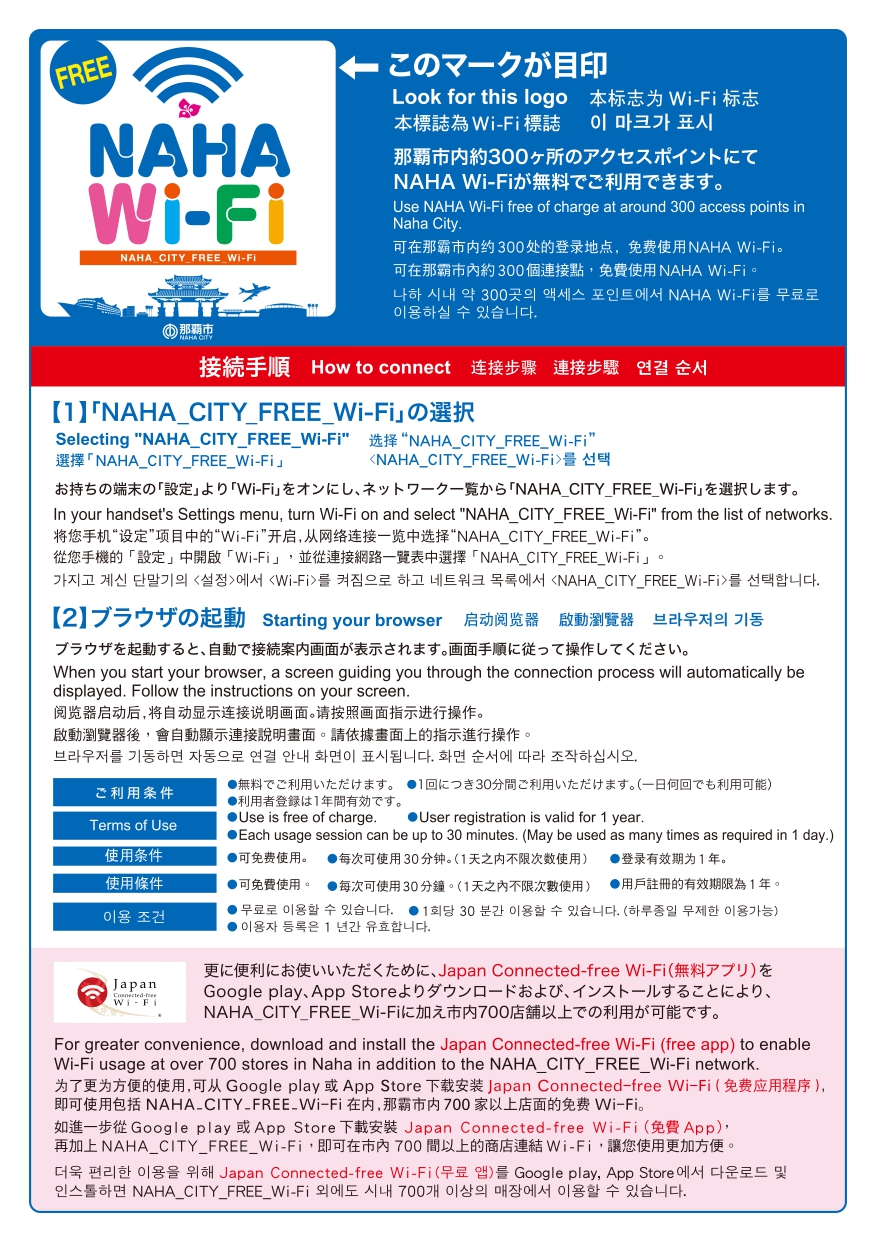
NAHA Wi-Fi at the access point in Naha which approximately 300 places is available for free.
Naha City, offers free public wireless LAN service of “NAHA CITY FREE Wi-Fi” for the purpose of convenience such as improvement of tourist and coming town’s.
The access point, public transportation such as Naha Airport and Okinawa urban monorail station, Cruise terminal,Shuri Castle and cultural facilities such as shikina-en, Kokusai Street and Makishi tourist attractions, such as the first public market, the city’s souvenir shops and eateries such as, it offers a service to the center a major tourist area.
Naha Cruise Terminal access
Here’s what you need to know about getting around from the terminal:
| Destination | By Taxi | On Foot |
|---|---|---|
| Kenchomae Station (nearest monorail stop) | ~6 minutes | ~15 minutes |
| Kokusai-dori (International Street) | ~7 minutes | ~15 minutes |
| Naminoue Shrine | ~4 minutes | ~11 minutes |
| Shuri Castle | ~15 minutes | Not walkable |
| Naha Airport | ~8 minutes | Not walkable |
| Churaumi Aquarium | ~1.5 hours | Not walkable |
| Sefa-utaki (Sacred Site) | ~42 minutes | Not walkable |
Now, let me be honest with you—while some destinations are technically walkable, Okinawa can get pretty hot and humid, especially during the day. That 15-minute walk to the nearest station? It can feel much longer when you’re dealing with tropical heat and humidity. That’s why most visitors find taxis to be the most comfortable way to get around, you know?
Here’s the thing though—when a large cruise ship docks, hundreds of passengers all have the same idea at the same time. The taxi queue can get really long, sometimes taking 30 minutes or more just to get a cab. That’s a long time to wait in the heat, isn’t it?
Naha Second Cruise Berth (Aja Shinko Pier)
Terminal Facilities & Amenities
Naha Second Cruise Berth access
Here’s how long it takes to reach key destinations from the Second Cruise Berth:
| Destination | By Taxi |
|---|---|
| Miebashi Station (nearest monorail stop) | ~10 minutes |
| Kokusai-dori (International Street) | ~15 minutes |
| Shuri Castle | ~20 minutes |
| Naha Airport | ~20 minutes |
| Churaumi Aquarium | ~1.5 hours |
| Sefa-utaki (Sacred Site) | ~1 hour 15 minutes |
What’s Near the Second Cruise Berth?
Let me be straight with you—if your ship docks at the Naha Second Cruise Berth (Aja Shinko Pier), you’re in more of an industrial port area. The immediate surroundings are mostly working port facilities, so there aren’t really any tourist attractions within walking distance, you know?
But here’s the thing: this actually isn’t a problem at all! You’re still just a short taxi ride away from everything Naha has to offer. As you can see from the table above, it’s only about 10-15 minutes by cab to get into the heart of the city and start your adventure. Think of it as your gateway to Okinawa—just not one you’ll want to explore on foot.
My advice? Have your taxi app ready (Japan Taxi or GO work great here too), or head straight to the taxi stand when you disembark. Within minutes, you’ll be right in the middle of all the action on Kokusai-dori or exploring historic Shuri Castle. The slightly longer ride is a small price to pay for the incredible experiences waiting for you in Naha!
Experiencing Authentic Naha: things to do in okinawa
Shuri Castle Park
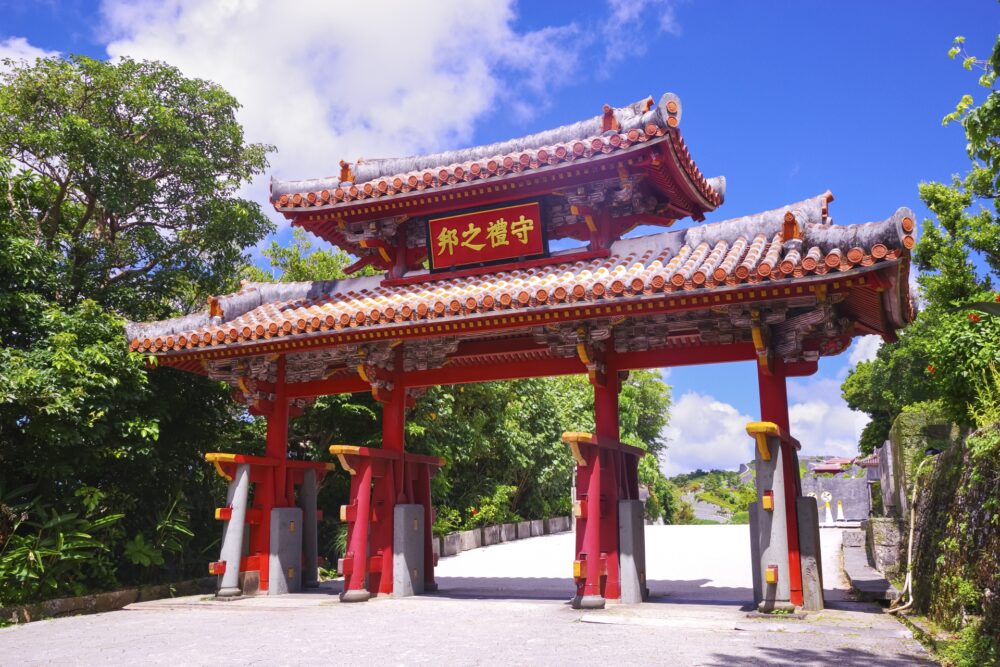
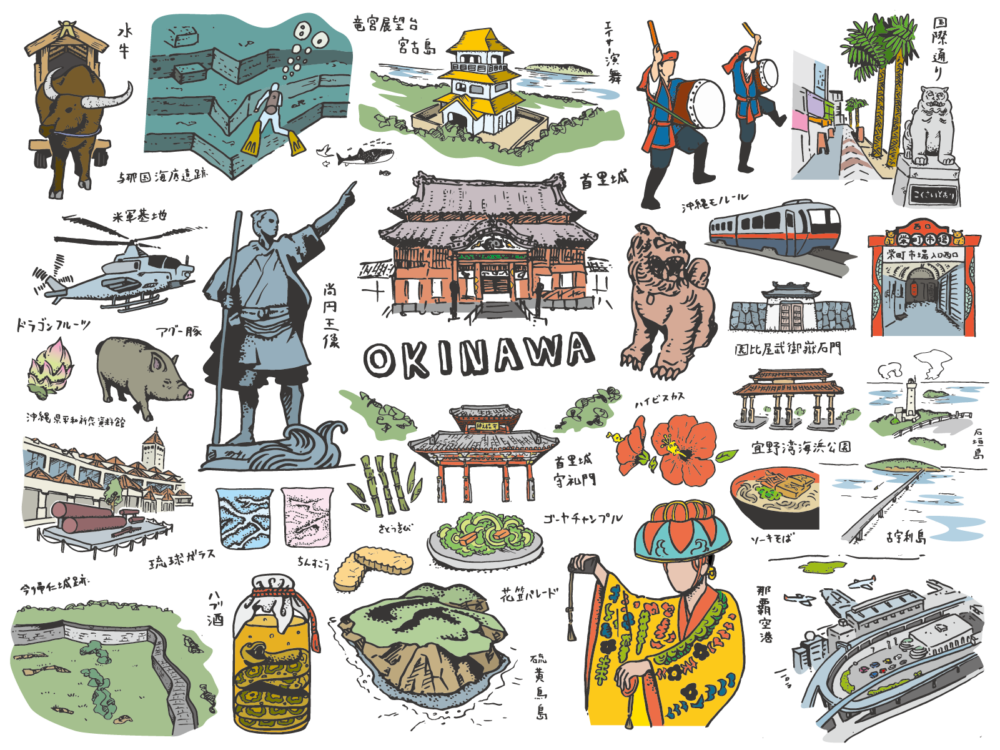
Naha, sitting right in the heart of Okinawa’s main island, is the prefectural capital where history and modern life blend beautifully together. Rising up on the hills to the east of the city center, you’ll find Shuri—once the royal capital of the Ryukyu Kingdom. This is where Shuri Castle, the true symbol of Okinawa, once stood majestically overlooking the island.
Let me tell you about this remarkable place. For about 450 years, from 1429 to 1879, Shuri Castle served as the political and cultural heart of the Ryukyu Kingdom. What made it truly distinctive was its unique architectural style and those striking vermillion walls. The royals called it “the King’s castle that commands the sea,” and it’s where they conducted state affairs and held ceremonial events. You can just imagine the view they had from up there, you know?
Now, I have to share something important: in 2019, a devastating fire destroyed the main palace hall and other key structures. It was heartbreaking for everyone who loves Okinawan culture. But here’s what makes visiting now so special—the reconstruction is underway with a beautiful new philosophy: “showing the restoration process itself as part of the experience.”
When you visit today, you get to witness something truly unique. You can see craftsmen using traditional techniques right before your eyes, watch the castle literally being reborn, and be part of history in the making. It’s not often you get to see a 600-year-old cultural treasure coming back to life, is it? Many visitors tell me this makes the experience even more meaningful—you’re not just seeing a finished monument, you’re witnessing resilience and dedication to preserving heritage. That’s really something special.
Naha’s Main Street: Kokusai-dori (International Street)
Running right through the heart of Naha, Kokusai-dori (which translates to “International Street”) stretches for about 1.2 miles from Kenchomae Station to Makishi Station on the Yui Rail monorail. This is really the place to be, you know—both sides of the street are lined with around 600 shops, including department stores, restaurants, cafés, boutiques, gift shops, and hotels, all catering to visitors looking for that authentic Okinawan experience.
It’s absolutely perfect for souvenir hunting and street food sampling! You’ll find some of Okinawa’s most beloved treats here: Okinawa soba (hearty noodle soup with a unique twist), sata andagi (traditional Okinawan doughnuts—crispy outside, soft inside), and Blue Seal ice cream (a local favorite that’s been an Okinawan institution since the 1940s). Let’s give it a try when you visit!
Every Sunday from noon to 6 PM, the entire street transforms into a pedestrian paradise. All traffic stops, and the whole avenue becomes this wonderfully relaxed space where you can stroll at your own pace. Street performers set up, local musicians play, and spontaneous events pop up throughout the day. It’s really nice to see the street come alive like this—families walking together, people stopping to watch performances, everyone just enjoying the atmosphere. Isn’t it lovely how a simple car-free afternoon can change the whole vibe of a place?
If you’re planning your visit, I’d definitely recommend timing it for a Sunday afternoon. That’s when Kokusai-dori truly shows its community spirit!
Tsuboya Yachimun Street
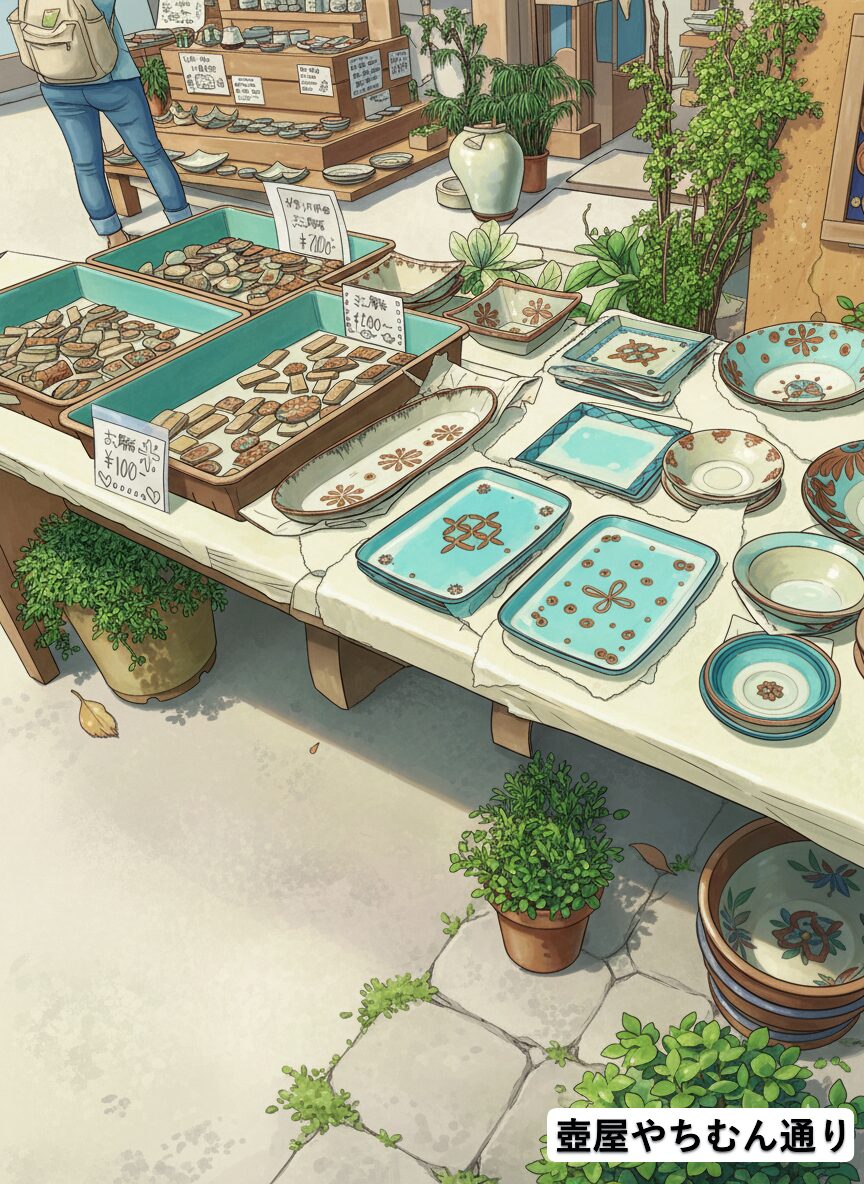
Just a few steps off the bustling Kokusai-dori, down a quiet side street, you’ll discover something truly special—it’s like stepping into a completely different world. Welcome to Tsuboya Yachimun Street, where the pace slows down and artisan tradition comes alive.
Now, let me tell you about “yachimun”—it’s the Okinawan dialect word for pottery or ceramics. Tsuboya has been the heart of Okinawa’s pottery tradition for over 300 years, you know. Since the days of the Ryukyu Kingdom, skilled artisans have been firing their kilns here, creating what’s known as Tsuboya-yaki pottery. These aren’t just souvenirs—they’re pieces of living history, with techniques passed down through generations of craftsmen.
The street itself is a charming quarter-mile stretch of stone pavement, lined on both sides with intimate workshops, galleries, and pottery shops. As you stroll along, you can often peek into the studios and watch potters at their wheels, shaping clay with hands that know centuries-old techniques. It’s really nice to see artisans still working in the traditional way, right in the heart of the city. You might even find a piece that speaks to you—something handcrafted and unique to take home. Isn’t it lovely how some places manage to preserve their authentic character even as the world changes around them?
Okinawa Churaumi Aquarium
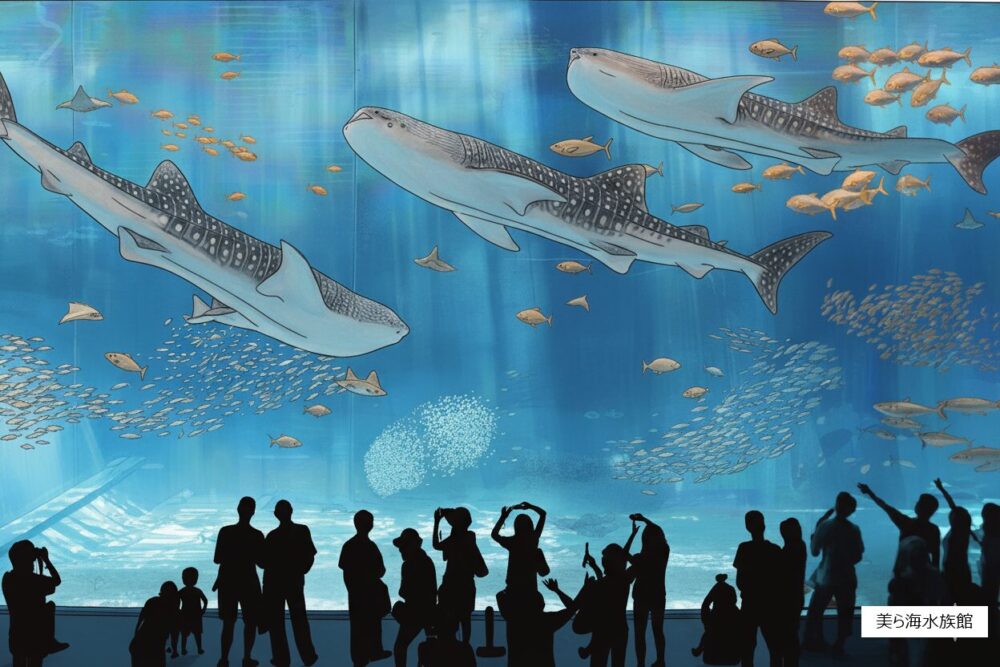
Located in Motobu, on the northern part of Okinawa’s main island, the Okinawa Churaumi Aquarium is one of the world’s most spectacular marine facilities. Now, let me tell you about the name—”Churaumi” (pronounced choo-rah-oo-mee) is an Okinawan word meaning “beautiful sea.” And trust me, this place absolutely lives up to its name! It’s like they’ve captured the entire essence of Okinawa’s magnificent ocean and brought it indoors for you to explore. You know what? This is easily one of the highlights of any Okinawa visit.
Exploring Okinawa’s Ocean Through Three Themed Zones
1. The Deep Sea Zone
This area recreates the mysterious depths of Okinawa’s deep ocean. In the dark, quiet waters, you’ll witness bioluminescent creatures glowing like tiny stars and observe fascinating deep-sea fish that rarely see the light of day. It’s really something to see these creatures up close—they look almost otherworldly, don’t they?
2. The Kuroshio Sea Tank
Here’s the star of the show—and it’s absolutely breathtaking! This massive tank measures 33 feet deep, 115 feet wide, and 89 feet long (that’s about as long as a basketball court!). Swimming gracefully through this enormous space are whale sharks, and watching them glide past the viewing window is truly awe-inspiring.
Let me tell you about Jinta, the aquarium’s most famous resident. This 29-foot-long whale shark has been here since 1995, making him the longest-kept whale shark in captivity anywhere in the world—he’s still breaking his own record! But that’s not all. This aquarium also made history as the first in the world to successfully breed manta rays in captivity. Watching these giants—along with about 60 other species—moving through the crystal-blue water is like witnessing a living symphony in blue. It’s really something special, you know?
The best viewing spot is right in front of the main panel
Get there early if you can, and just take a moment to soak it all in. Many visitors say this is one of the most mesmerizing experiences of their entire trip.
3. The Coral Sea
This is where natural sunlight streams through the water, just like it does in Okinawa’s shallow coastal reefs. What makes this special is that they’re cultivating live coral on a massive scale—it’s a living, breathing reef right before your eyes! Watching vibrant tropical fish dart among the colorful corals is incredibly soothing. It’s like getting a snorkeling experience without getting wet!
Amazing Dolphin Shows and More Marine Friends
But wait, there’s more! The aquarium complex has so much more to offer beyond the main building.
Right next door, the Okichan Theater hosts spectacular dolphin shows against the backdrop of the open sky and ocean. These dolphins perform incredible acrobatic jumps that never fail to delight audiences of all ages. There’s something magical about watching these intelligent creatures show off their skills with the Pacific Ocean stretching out behind them, isn’t it lovely?
You’ll also want to visit the Sea Turtle Pool, where five different species of sea turtles glide gracefully through the water. Watching these ancient mariners swim is surprisingly calming—they move with such gentle purpose.
And don’t miss the Manatee Hall, where you can observe the slow, peaceful movements of manatees from the warm Caribbean waters. These gentle giants have a way of melting your heart with their calm demeanor. It’s really nice to just sit and watch them for a while, you know?
Emerald Beach:
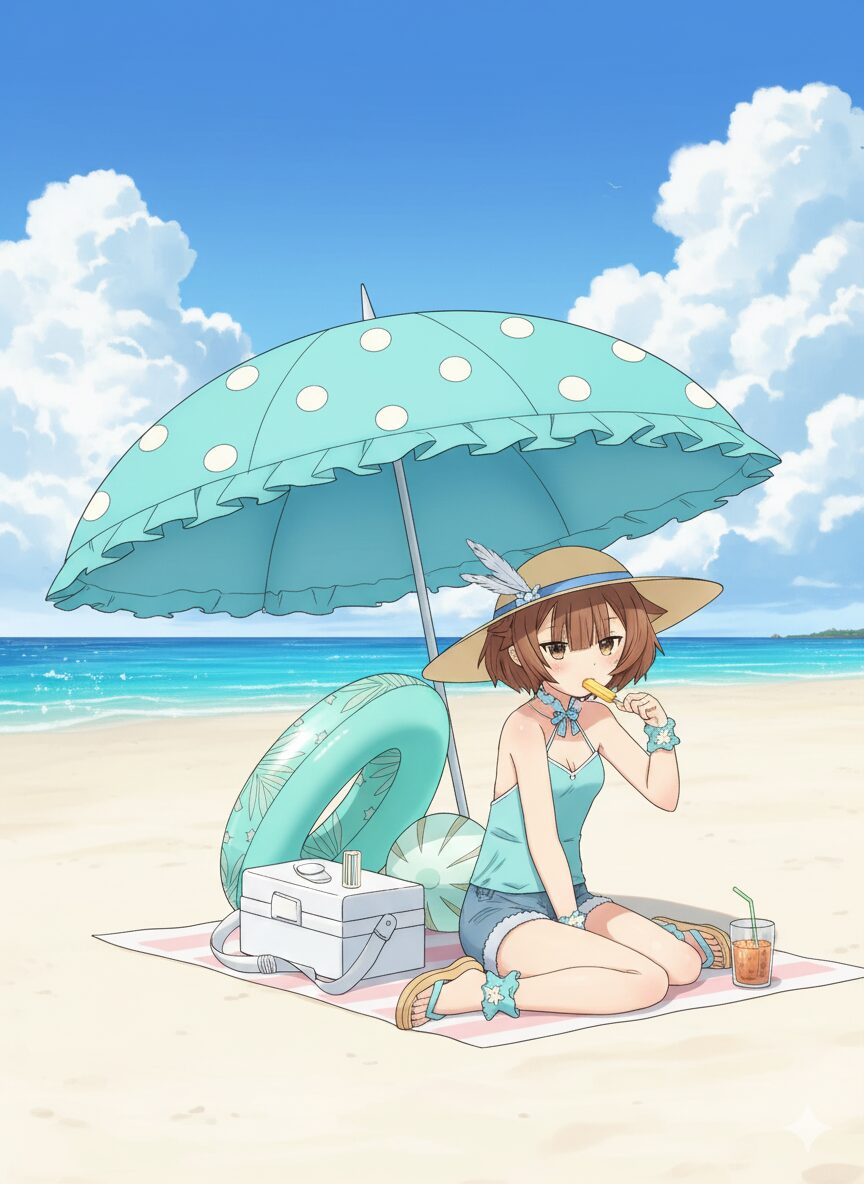
Here’s a wonderful bonus: Emerald Beach is just a short walk from the Churaumi Aquarium! After spending your morning learning about Okinawa’s incredible marine life inside the aquarium, why not experience the real thing? It’s the perfect combination, you know—first you see the sea creatures up close, then you dip your toes in the actual ocean they call home. How lovely is that?
This is truly a place where time seems to slow down. Picture this: strolling along the shore with the ocean breeze on your face, finding a shady spot under the trees for a peaceful rest, or watching the sun paint the sea in shades of orange and gold as evening approaches. It’s the kind of place that helps you remember what vacation is really about—just being present in a beautiful moment. Isn’t it lovely how a simple beach can offer such complete relaxation?
The beach lives up to its name beautifully—the water really does shimmer in shades of emerald green. Against the pristine white sand, the color contrast is absolutely stunning. This is one of those iconic Okinawan beach scenes you see in photos and think “is it really that beautiful?” Let me tell you—it is!
The beach is wonderfully spacious too, with room for about 3,000 swimmers, so you never feel crowded. There’s plenty of room to find your own perfect spot, whether you want to be social or just claim a quiet corner of paradise for yourself.
Here’s something that really sets this beach apart: Emerald Beach has been recognized by the Japanese government as one of the nation’s “Top 100 Beaches for Swimming.” That’s not just a nice title—it means the water quality here is exceptional. The water is so clear you can see your feet even when you’re waist-deep. It’s really something!
The waves are gentle here too, making it perfect for families with young children. Parents can actually relax a bit instead of constantly worrying, you know? Whether you want to swim, wade, or just cool off your feet after exploring the aquarium, the calm, crystal-clear water is incredibly inviting.
If you’re making the journey up to the aquarium, definitely factor in some beach time.
Bring your swimsuit and a towel—you’ll be glad you did! The combination of world-class marine exhibits followed by a refreshing swim in these gorgeous waters makes for an absolutely perfect Okinawan day. Trust me, this is the kind of experience you’ll still be talking about years from now.
Chibishi Coral Reef
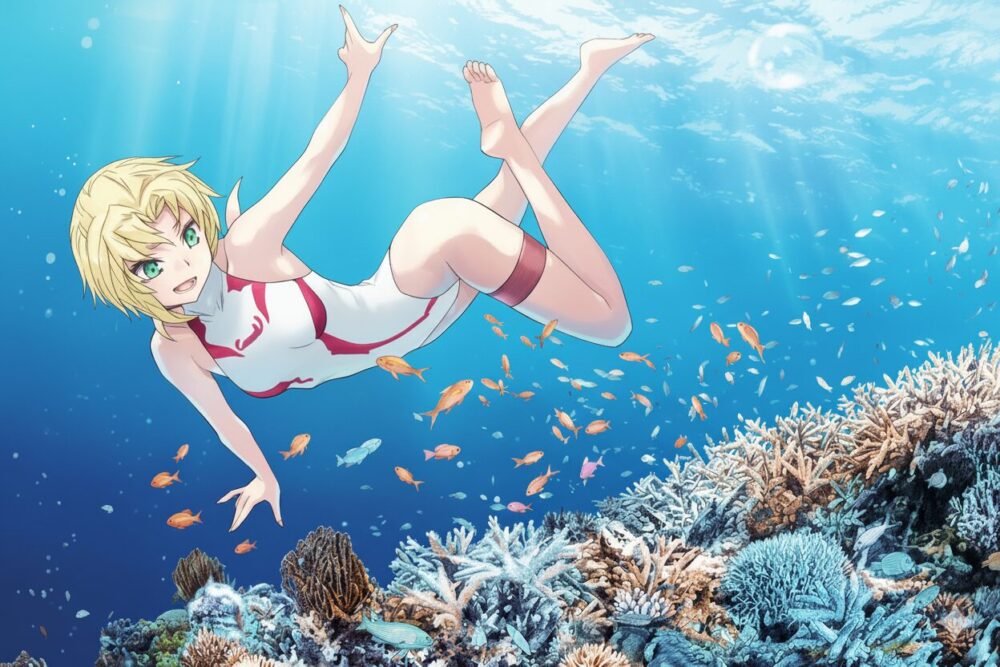
Here’s something special that many cruise visitors don’t know about: just 20 minutes by boat from Naha, you can escape the city buzz and find yourself in an emerald-blue paradise. The Chibishi Coral Reef (pronounced chee-bee-shee) is a stunning marine area that’s part of the Kerama Islands National Park. It’s made up of three small islands—Kamiyama Island, Nagannu Island, and Kuefu Island—each one more beautiful than the last.
What makes this so perfect for cruise passengers? You can experience a pristine tropical island without spending your whole day in transit. Twenty minutes—that’s all it takes to go from urban Naha to a postcard-perfect island paradise. Isn’t that amazing?
Locals and repeat visitors affectionately call it just “Chibishi,” and it’s become one of the most popular day-trip destinations from Naha for water activities. There’s a reason people keep coming back, you know—once you’ve seen these waters, you’ll understand why!
Let me tell you what makes Chibishi so special: the water clarity here is absolutely extraordinary. The deep, crystalline blue you see here is known as “Kerama Blue”—and trust me, it’s a color unlike anything you’ve experienced before. It’s this rich, almost luminous shade of blue that seems to change with every ray of sunlight. The moment you see it, you’ll be captivated. I’ve watched countless visitors stand on the boat deck speechless when they first glimpse these waters. That’s the magic of Kerama Blue.
During the summer season, Chibishi really comes alive with marine activities! Snorkeling, parasailing, banana boat rides—you name it, they’ve got it. Here’s what I love about the tours here: most are specifically designed with beginners in mind. Whether you’ve never snorkeled before or you’re a bit nervous about water activities, the experienced guides make everything easy and fun.
Picture yourself floating above coral gardens, watching tropical fish dart beneath you in water so clear it’s like looking through glass. Or soaring above the ocean on a parasail, taking in the panoramic view of these pristine islands. It’s the kind of adventure that feels exciting but never scary, you know?
If you’re in port for the day and want a genuine tropical island experience without the long journey to more distant islands, Chibishi is your answer.
Book a morning tour—you’ll be back in Naha by early afternoon with incredible memories (and probably some amazing photos). Many cruise passengers tell me this ended up being the highlight of their entire Okinawa stop. That’s really something, isn’t it?
What if I haven’t prepared anything?
Tours often include equipment rental and sometimes even lunch, so check what’s included when you book. And don’t forget your underwater camera or a waterproof phone case—you’ll definitely want photos of that Kerama Blue!
Frequently Asked Questions About Naha Cruise Port
- Medium-sized ships
- Cannot accommodate ultra-large ships
- Large cruise ships
- World’s largest cruise ships
The nearest monorail station is Kenchomae, approximately 6 minutes walk from the terminal.
Since it is also far from the nearest monorail station, we recommend using taxis or cruise line shuttle buses.
No dining or shopping is available inside the terminal, so we recommend preparing necessary items in advance.
- 5 min from airport
- 6 min walk from Kenchomae
- Medium-sized ships
- No shops inside
- 15 min from airport
- Taxi/shuttle recommended
- Large cruise ships
- World’s largest ships OK
Summary:Okinawa is Waiting for You
When I first pulled into Naha port, I wasn’t expecting much. But somewhere between riding that Naha port. This wasn’t just sightseeing – this was an actual encounter with real Japan.
Only half a day in port? Yes, it’s short. But the moments that matter aren’t measured in hours—they’re measured in wonder.
The ancient traditions of Shuri Castle. Whale sharks gliding through crystal-blue water at Churaumi Aquarium. A local shopkeeper’s warm smile as they raise their glass: “Kanpai!” These are the memories you’ll treasure.
So yes, half a day is brief. But in Okinawa, even brief can be unforgettable. Welcome to the island—let’s make your port day extraordinary. Now go. Okinawa is waiting.
Looking to book shore excursions for your cruise? These are the services I recommend:
- japanshoreexcursions.com
- shoreexcursions.asia
- vietnamshoreexcursions.asia
- chinashoreexcursion.com
- globalshoreexcursions.com

If you’re curious to learn more about what makes these Japan-based cruises so special, I’ve put together detailed articles on each one—feel free to check them out!
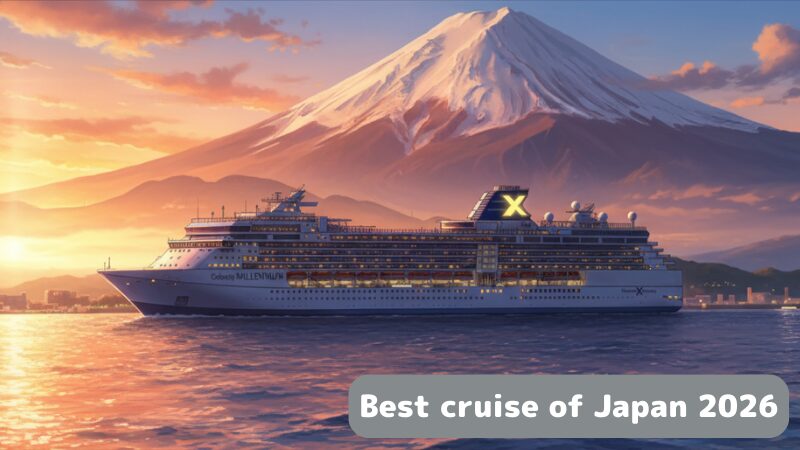 The Best Japan Cruises 2026: Ranked Top 3 picks
If you're planning a cruise from Japan, you might be wondering: Want to experience authentic Japanese culture and festivals—but not sure where to start? Wondering when's the best time to cruise Japan? Curious if you'll actually get to explore those historic sites you've been dreaming about? If you try looking at cruise line websites, you'll find that very few of…
The Best Japan Cruises 2026: Ranked Top 3 picks
If you're planning a cruise from Japan, you might be wondering: Want to experience authentic Japanese culture and festivals—but not sure where to start? Wondering when's the best time to cruise Japan? Curious if you'll actually get to explore those historic sites you've been dreaming about? If you try looking at cruise line websites, you'll find that very few of…
 The Ultimate Guide to Cruises Around Japan: Luxury, Culture, and Everything in Between
If you're planning a cruise from Japan, you might be wondering: Hokkaido's nature, Kyoto's temples, Kyushu's hot springs—I want it all, but how? Japan has so much to see, but who wants to spend their vacation packing and unpacking at every stop? "I want to relax AND see Japan's best. Is that too much to ask? You're not alone—and I'm…
The Ultimate Guide to Cruises Around Japan: Luxury, Culture, and Everything in Between
If you're planning a cruise from Japan, you might be wondering: Hokkaido's nature, Kyoto's temples, Kyushu's hot springs—I want it all, but how? Japan has so much to see, but who wants to spend their vacation packing and unpacking at every stop? "I want to relax AND see Japan's best. Is that too much to ask? You're not alone—and I'm…
 Diamond Princess Japan 2026: Compare Cruise Plans, Prices & Itineraries
If you're planning a cruise from Japan, you might be wondering: I keep hearing about Princess Cruises for Japan—but is it really worth it? I only have limited vacation time—which itinerary will let me see the most important parts of Japan? I'm worried about the language barrier and cultural differences—will a cruise make Japan more accessible for me? If any…
Diamond Princess Japan 2026: Compare Cruise Plans, Prices & Itineraries
If you're planning a cruise from Japan, you might be wondering: I keep hearing about Princess Cruises for Japan—but is it really worth it? I only have limited vacation time—which itinerary will let me see the most important parts of Japan? I'm worried about the language barrier and cultural differences—will a cruise make Japan more accessible for me? If any…
 Celebrity Millennium Japan 2026: Compare Cruise Plans, Prices & Itineraries
If you're planning a cruise from Japan, you might be wondering: I keep hearing about Celebrity Cruises for Japan—but is it really worth it? I only have limited vacation time—which itinerary will let me see the most important parts of Japan? I'm worried about the language barrier and cultural differences—will a cruise make Japan more accessible for me? If any…
Celebrity Millennium Japan 2026: Compare Cruise Plans, Prices & Itineraries
If you're planning a cruise from Japan, you might be wondering: I keep hearing about Celebrity Cruises for Japan—but is it really worth it? I only have limited vacation time—which itinerary will let me see the most important parts of Japan? I'm worried about the language barrier and cultural differences—will a cruise make Japan more accessible for me? If any…
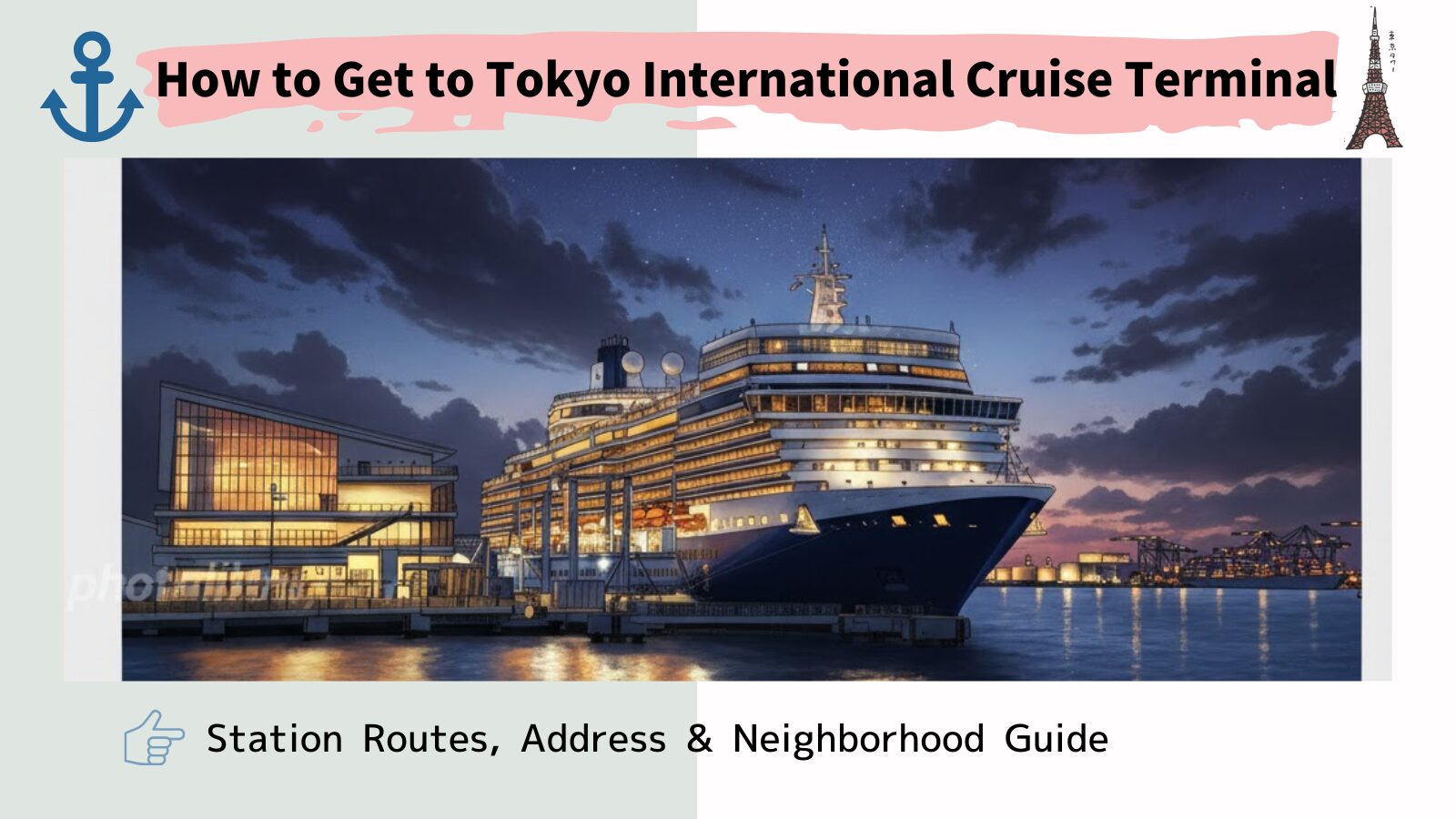 Your Complete Guide to Tokyo International Cruise Terminal: Address, Station Access & What's Nearby
If you're planning a cruise from Tokyo, you might be wondering: How do I navigate a foreign city with a language barrier? What's the easiest way to find the cruise terminal without getting lost? Where can I discover memorable spots near the terminal to make my visit truly special? You're not alone—and I'm here to help. Tokyo International Cruise Terminal…
Your Complete Guide to Tokyo International Cruise Terminal: Address, Station Access & What's Nearby
If you're planning a cruise from Tokyo, you might be wondering: How do I navigate a foreign city with a language barrier? What's the easiest way to find the cruise terminal without getting lost? Where can I discover memorable spots near the terminal to make my visit truly special? You're not alone—and I'm here to help. Tokyo International Cruise Terminal…
I’d love to help you experience Japan in this unique way. Let’s make it happen together!
I’ll keep sharing insider tips and updates about cruising in Japan, so please stop by again soon! I’m here to help you discover the best of Japan. Let’s explore together!
Happy cruising!– , Cruise Aoi